Effective Termite Solutions Toronto
Worried about termites in Toronto? We provide quick, unobtrusive inspection of mud tubes, hollow wood, frass, and swarm wings, with thorough moisture and entry-point assessments customized for local weather conditions and landscaping conditions. We perform structured inspections, photographically recorded results, and specialized solutions adhering to local bylaws. We implement safety-conscious procedures, controlled drilling operations, and plain vehicles for minimal visibility. We provide regular inspections, gap management, and moisture management to prevent problems and meet safety standards - learn how we protect your property today.
Critical Findings
- In-depth termite evaluations of building foundations, under-house spaces, utility access points, and areas prone to moisture, including visual documentation and property mapping.
- We implement professional treatments including subterranean bait installations, precise termiticide applications to soil and voids, and careful wood remediation in accordance with Canadian label guidelines.
- Protection and monitoring measures: repair and seal entry points, maintain 6-8 inches ground-to-wood separation, manage moisture levels, and schedule regular seasonal inspections with GPS-marked monitoring stations.
- Discreet and secure solutions for residential and commercial properties: featuring discreet service vehicles, after-hours visits, family-friendly installations, HEPA-filtered drilling processes, and adherence to local regulations.
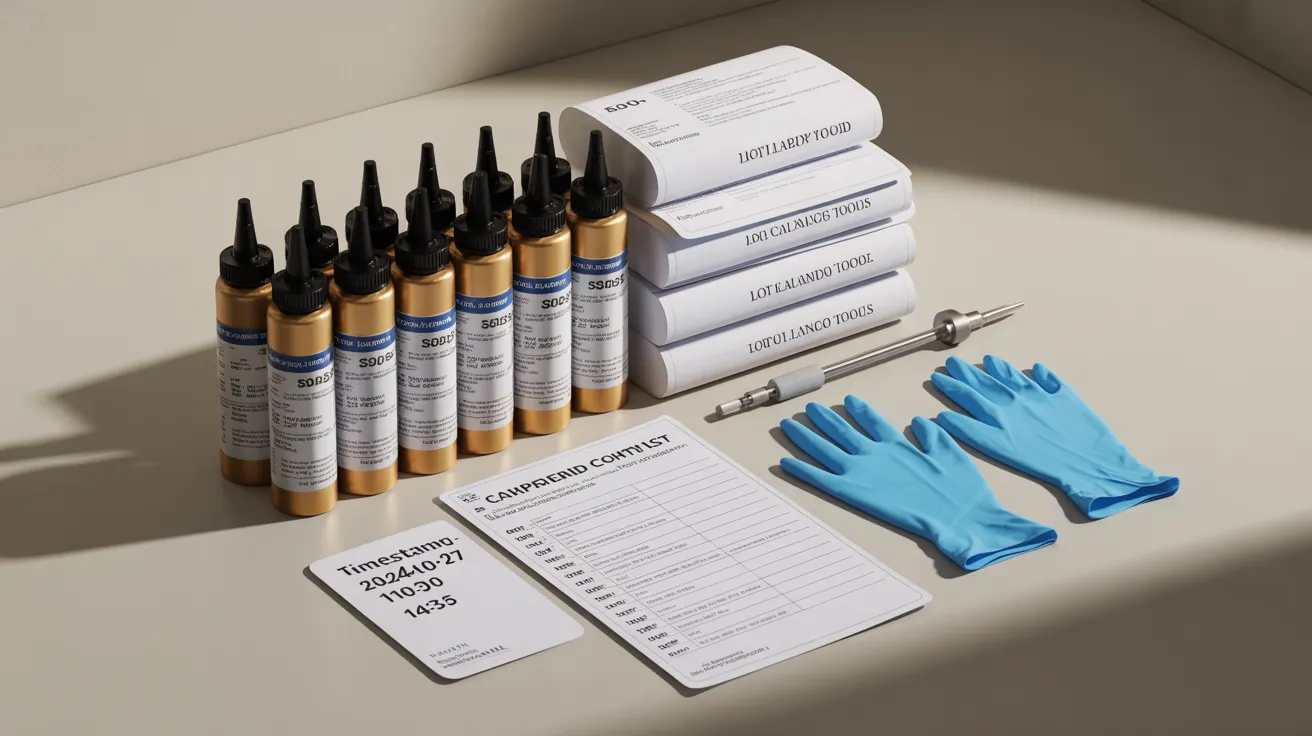
- Complete documentation provided including product information, chain-of-custody records, safety data sheets, lot tracking, exposure protocols, plus completion timeframes and protective sealing suggestions.
Signs of Termite Infestation in Toronto Homes
While termites typically remain concealed, you can identify early warning signs before major structural problems develop. Watch for narrow mud tubes across foundations, joists, and sill plates. Test suspicious wood with a screwdriver; it might sound empty or be easily penetrated. Spotting discarded, equal-sized wings close to window sills or light fixtures suggests a recent swarm. Be alert for pinhole frass or subtle blistering in drywall or subfloors.
On the exterior, inspect for dirt smears or earthen smears near access points, specifically where soil level meets wall siding. Inside basements and crawlspaces, verify ventilation and track relative humidity. If you've installed moisturemeters, note levels exceeding 20%, as these can signal favorable conditions and unseen passages.
For safety and security, avoid disturbing impacted locations. Photograph evidence, mark the areas, and get in touch with a certified pest control specialist for an assessment in accordance with Ontario regulations.
Local Conditions and Their Impact on Pest Activity
The freeze-thaw conditions in Toronto, combined with saturated soils, mature residential structures, and dense urban landscaping generate perfect environments for pest and termite problems. Your property faces increased threats because continuous freezing and thawing create foundation and mortar damage, creating underground access. Moisture-rich clay soil sustain ground-level dampness that sustains termite foraging tubes and accelerates wood decay. Metropolitan warming effects raise ground-level heat, extending insect activity windows and decreasing hibernation times.
Aging infrastructure and outdated utilities create pathways through compromised sill plates, faulty plumbing, and dry-stacked stone foundations that establish hidden moisture and cellulose interfaces. Thick mulch beds against building exteriors trap humidity where soil meets wooden structures. Heavy rains exceed drainage capacity, compelling pests to move toward buildings. To meet Ontario construction and health requirements, prioritize water control, entry point protection, and proper vegetation spacing to manage these property-related concerns.
Our Integrated Assessment and Treatment Protocol
The unique pressures in Toronto read more call for a methodical response, therefore our team implements an integrated inspection and treatment protocol that meets Ontario Building Code and public health guidance. First, we perform a systematic assessment of: outside foundation, sill plates, utility penetrations, crawlspaces, and areas susceptible to moisture. We catalog wood damage, current pest presence, conducive conditions, and points of entry, and then transfer results to a site plan.
We provide you with a detailed risk assessment report with safety documentation and product information. Where structure allows, we position specialized bait treatments at approved distances, using tamper-resistant stations and monitoring cartridges. For live infestations, we apply targeted pest treatments to cavities and soil entry areas, maintaining label rates and setback requirements. We manage ventilation, control dust, and safeguard people, animals, and plants while keeping chain-of-custody records and photo documentation.
Prevention Plans and Year-Round Monitoring
Since termite pressure in Toronto changes with humidity levels and soil temperatures, you need a prevention plan that integrates structural hardening with year-round inspection under Ontario and federal pesticide regulations. Begin by fixing slab gaps, utility entries, and sill plates; preserve 6-8 inches of space between soil and wood. Combine these steps with moisture regulation: repair plumbing issues, direct downspouts 2-3 meters from the foundation, and keep crawlspace humidity less than 60% with vapor barriers.
Schedule regular evaluations timed with thaw, spring rains, midsummer heat, and fall cooldowns. Install in-ground monitoring stations according to specified distances and log GPS coordinates for accurate data. Track threshold measurements, bait consumption, and environmental factors. Align interventions to IPM principles, focusing on minimal-risk approaches and thorough recordkeeping to meet Ontario PMRA and WHMIS requirements.
Secure and Private Solutions for Homes and Businesses
Often, you require termite control that ensures the safety of individuals, animals, and business functions discreetly. We create low-profile solutions that meet Ontario and federal pest control regulations, prioritize occupant safety, and ensure business continuity. You receive unobtrusive inspections, private consultations, and flexible timing options to limit business impact.
We utilize targeted pest control methods, HEPA-filtered drilling, and localized wood treatments confirmed with product labels and Safety Data Sheets. Our child safe treatments and pet-conscious placement follow re-entry intervals and ventilation requirements. Our staff operates plain service vehicles and secure waste handling per municipal bylaws.
We carefully record all aspects: site risk evaluation, product identification codes, and exposure control measures. You get straightforward documentation, treatment deadlines, and protective sealing recommendations-maintaining discreet, compliant, and efficient termite removal without broadcasting the treatment.
Frequently Asked Questions
What Impact Do Termite Treatments Have on Home Sales and Disclosure Requirements?
Termite treatments can enhance property value when properly documented, but prior infestations can influence property value and necessitate disclosure. You must report known damage, historical activity, and repairs; buyers typically request treatment documentation, permits, warranties, and clearance certificates. Employ licensed specialists, comply with safety standards, and preserve thorough records of applications, timing, and inspection results. Pre-listing assessments and transferable warranty coverage can decrease uncertainty, satisfy lending conditions, and simplify appraisal processes and transactions.
Are Termite Damages Covered by Standard Home Insurance Policies in Toronto?
Most Toronto home insurance plans generally exclude termite damage. Insurers consider this a maintenance issue, typically excluded from basic coverage. It's essential to carefully review your policy terms and conditions, as insurers rarely provide coverage for gradual pest-related deterioration. Keep thorough maintenance logs and schedule regular inspections to demonstrate proper care. While coverage might apply if an infestation causes immediate catastrophic issues, such cases are uncommon. Consult with your insurance advisor and adhere to Ontario's disclosure regulations.
What Required Certifications Should a Toronto Termite Inspector Possess?
A qualified pest control service in Toronto should possess a valid Ontario pesticide operator licence and employ certified technicians operating under IPM standards, along with employing licensed inspectors certified in the Structural Pest Management scope. You should confirm the company's WSIB coverage, liability insurance, and WHMIS/GHS training. Ensure their technicians have up-to-date MOECP certifications and adhere to label, drift, and notification rules. Ask for written inspection reports, treatment records, and safety data sheets. Make sure they comply with municipal bylaws and waste-disposal regulations.
Are You Able to Work With Property Managers and Condo Associations?
Without a doubt, we coordinate with condo boards and property managers like it's mission control for a moon landing. We provide efficient Board Coordination, documented scopes, and proper communications. We handle entry coordination, keys, fobs, and resident notices to satisfy bylaws and fire code requirements. We confirm WSIB/COI, follow IPM protocols, and handle safety signage. We deliver service logs, Material Safety Data Sheets, and service completion reports to maintain transparency and regulatory compliance.
Do You Offer Financing or Payment Plans for Extensive Termite Work?
Indeed. We provide payment arrangements for large-scale termite services, subject to credit approval and contract conditions. We'll propose incremental billing matching inspection and treatment stages, with adjustable rates based on project scale and property dimensions. We disclose all fees, comply with provincial consumer protection rules, and never compromise safety standards. You'll be given detailed quotes, warranties, and MSDS/label documentation, and payment options include ACH, credit card, or certified draft.
Wrapping Up
You've observed the telltale indicators-mud tracks like small roadways, wood that echoes when struck, sawdust resembling ground pepper. Don't hesitate for the quiet invaders to damage your investment. With Toronto's moisture swings and aging buildings, you must have an integrated approach that inspects, treats, and monitors year-round. We strictly follow label instructions, pest control best practices, and municipal guidelines to safeguard families, animals, and homes. Choose subtle, evidence-based termite control that blocks access routes and keeps watch like a protector at your property's base.